
This venue
Best for representation learning, generative models, and scalable training; for classic ML theory or systems, NeurIPS/ICML are also strong.
arXiv is allowed, but the OpenReview PDF must stay anonymous. Abstract often precedes the full paper; author lists usually freeze after the abstract deadline.
Length
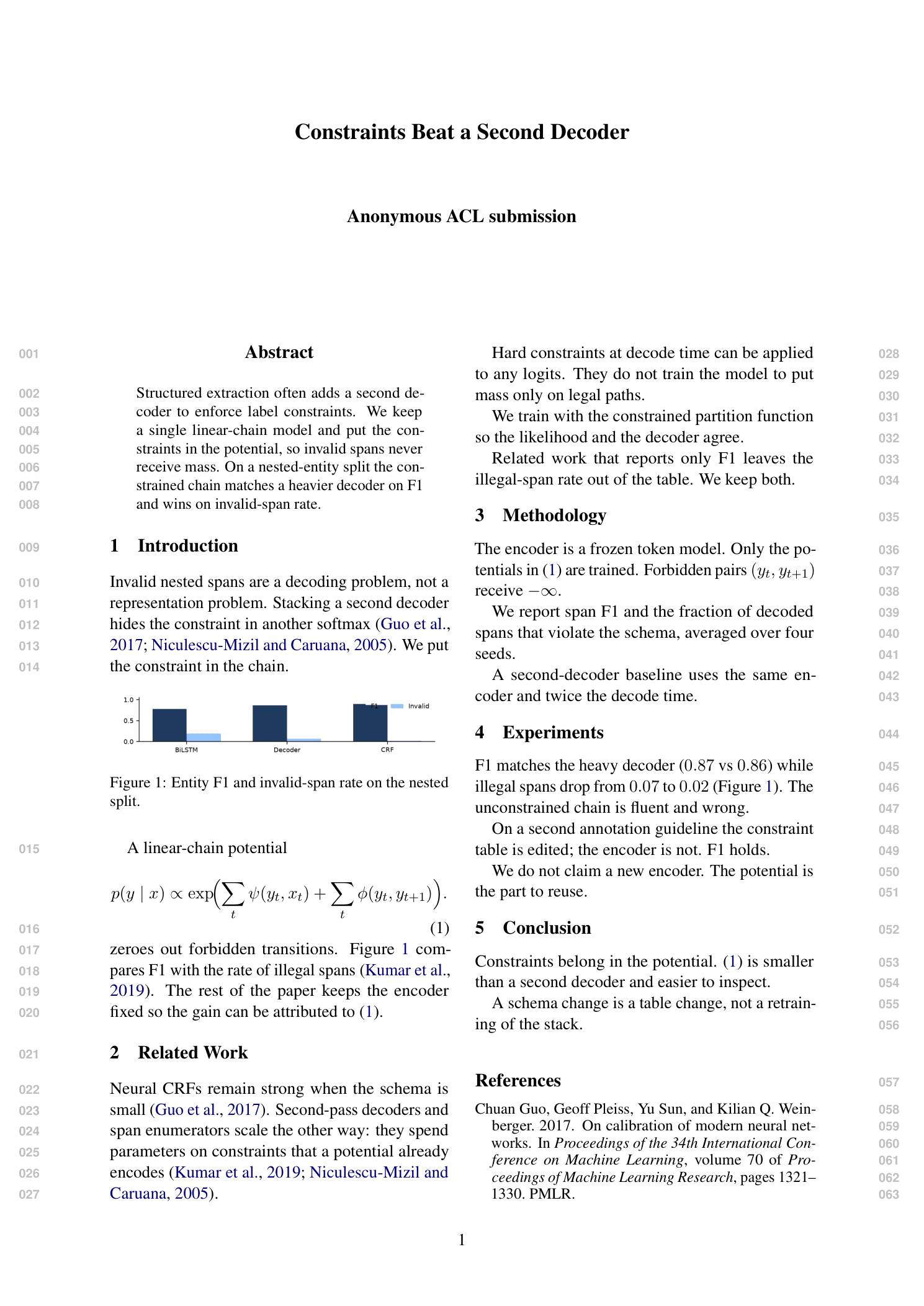
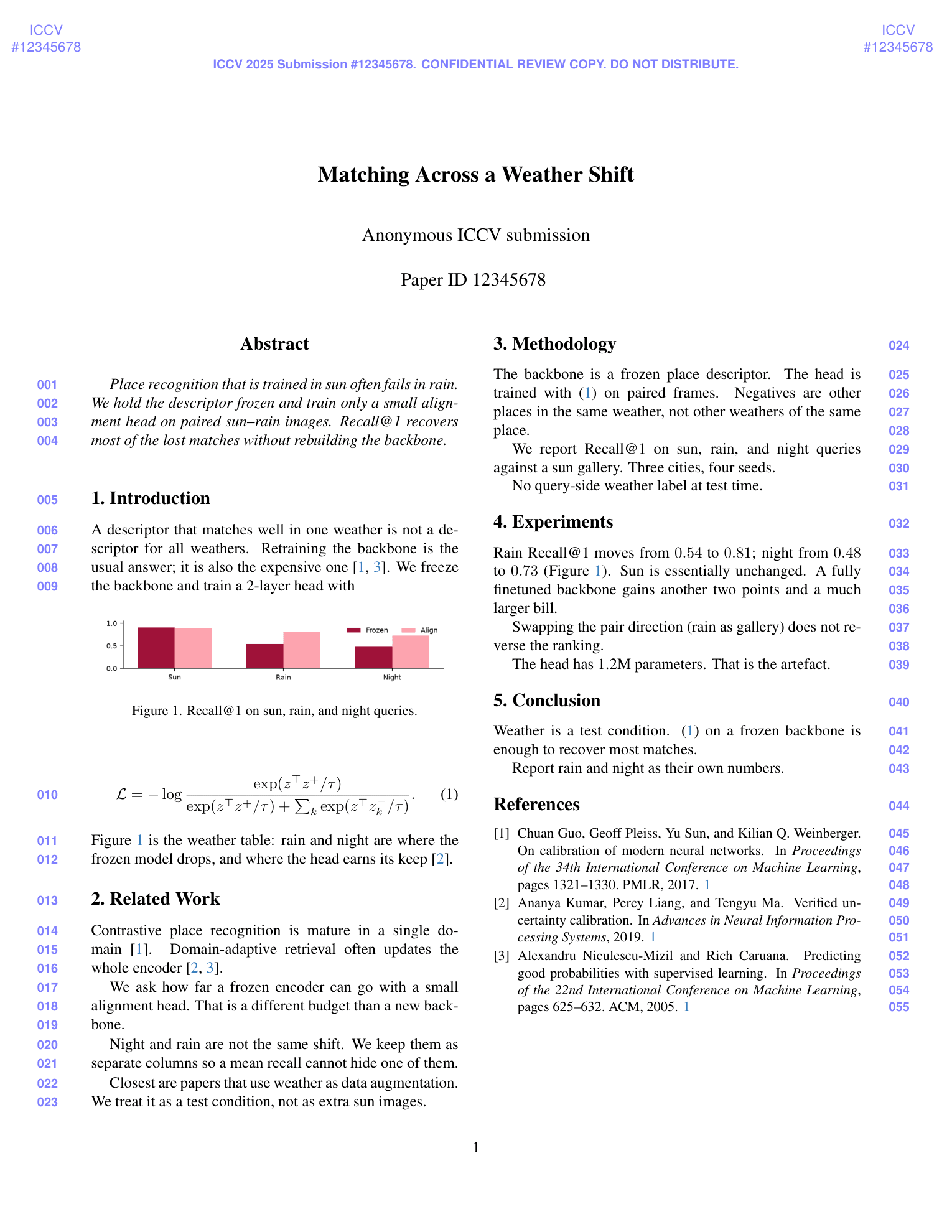
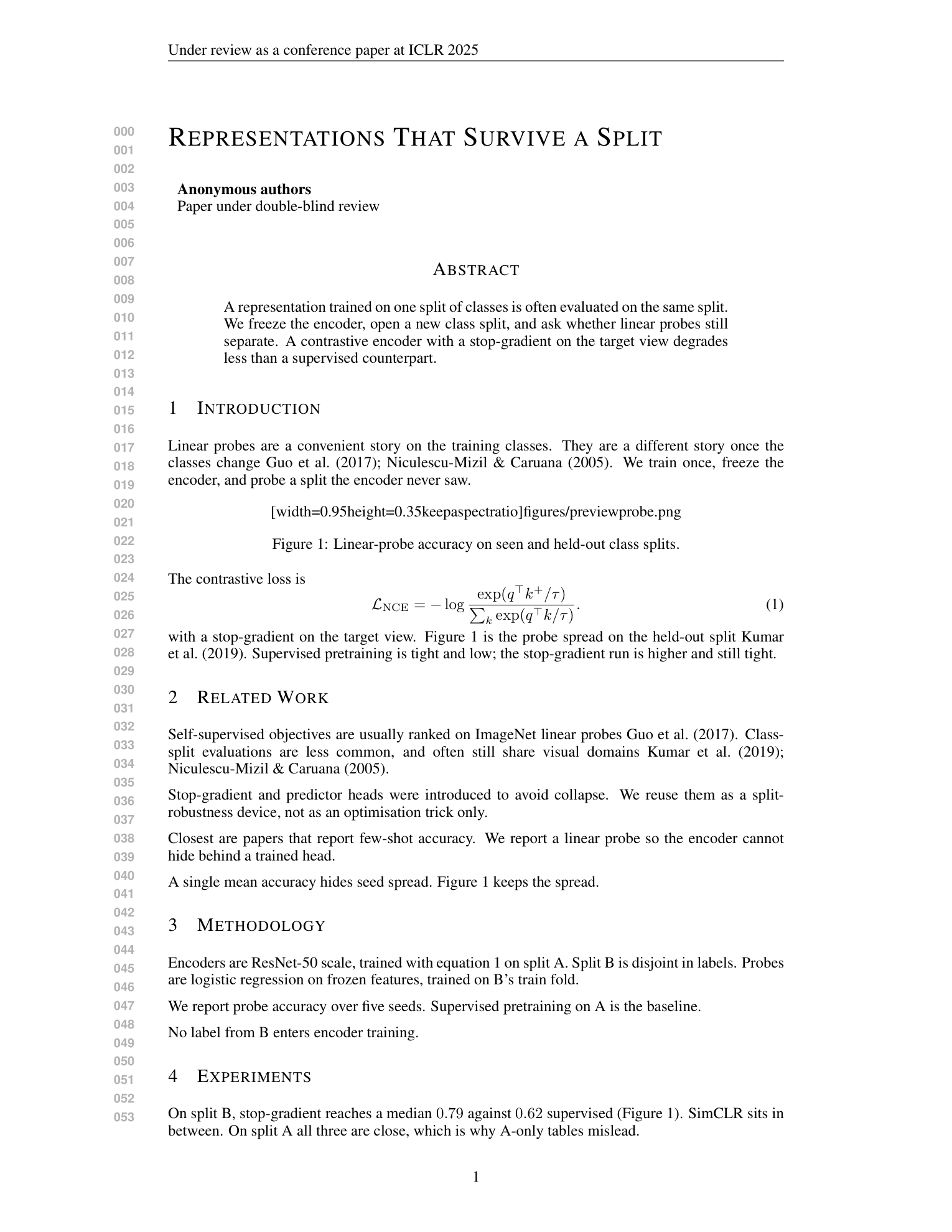
The 2025 style files often allowed 10 pages of main text. ICLR 2026: 9 pages at submission, 10 in discussion/camera-ready—over-length is desk-rejected. Ethics / reproducibility / acknowledgments usually sit outside the cap.
Review
Double-blind. Identity in the main text or supplement is a desk reject. arXiv is allowed; cite it in the third person, not as “our preprint”.
Typesetting
Official two-column template. One-paragraph abstract. Do not resize the text block. Review copies show line numbers—do not refer to them. Appendix after references.
Before you write
- Confirm 9 vs 10 pages for the year you are targeting.
- Abstract and full paper hit OpenReview deadlines.
- Submission is anonymous.
- No references to line numbers.
Official pages
Summarized from public calls (as of 2026-09). Always match the CFP you are submitting to.
FAQ
- ICLR vs NeurIPS?
- Representation learning and generative models fit ICLR; general ML theory/systems also land at NeurIPS.
- Can I add authors after the abstract deadline?
- Usually no—freeze the author list before the abstract deadline.
- Where does the ethics statement go?
- Typically outside the body page cap—check that year’s Author Guide.